(CWC:) Supermicro液冷式解決方案 – 高效能低噪音的伺服器
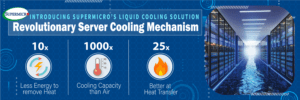
什麼是液冷式技術?
在這個數碼時代,伺服器系統在支援及促進各行業資料儲存和管理方面都是必不可少的一部分。它讓企業能夠有效率地儲存和組織數據,確保數據的準確性。隨著伺服器技術不斷發展,伺服器運行時會產生更多熱量,導致冷卻變得更加困難。因此,對於特定的伺服器系統,我們應該考慮使用成熟的液冷式技術來取代傳統的風冷系統。
液冷式系統,又稱水冷系統,是有助降低中央處理單元(CPU)和圖形處理單元(GPU)的溫度的冷卻技術。它使用液體冷卻劑(通常是水)來為伺服器組件散熱,以防止電腦出現任何過熱的問題。
Supermicro提供多種針對不同類型電腦系統的液冷式技術,例如直接液冷(DTC) 、直達晶片液冷(D2C) 、浸沒式液冷(Immersion Cooling) ,以及節能背板冷卻器(RDHE) 等。
液冷式技術的好處
 | ✔高製冷量及熱導率: 冷卻系統中的冷卻劑有助提升整體散熱能力,提高系統的傳熱效能。它還可以降低系統的進氣溫度,以確保系統的運作穩定性。 |
 | ✔降低營運費用 (OPEX): 由於液冷式系統需要相對較少的儲藏空間和散熱風扇,因此可以讓企業在有限的佔地面積內安裝更多的伺服器系統。此外,系統還可以透過減少系統風扇運作來節省額外電力。 |
 | ✔提高資料中心的電力使用效率(PUE): 液冷式技術能為伺服器系統中產生更多熱量的區域進行局部冷卻。它能有效地將熱量從伺服器組件轉移出去,並降低能源消耗。 |
 | ✔環保冷卻方法: 液冷式技術在降低資料中心總能源使用量的同時,也減少了溫室氣體的排放量。隨著碳足跡的下降,伺服器系統能有更可持續的發展。 |
如何選擇合適的液冷式系統?
- 系統的噪音水平
- 散熱範圍
- 需要去除的熱量
- PUE的減少
- 價錢
Supermicro具有液冷式功能的伺服器系統
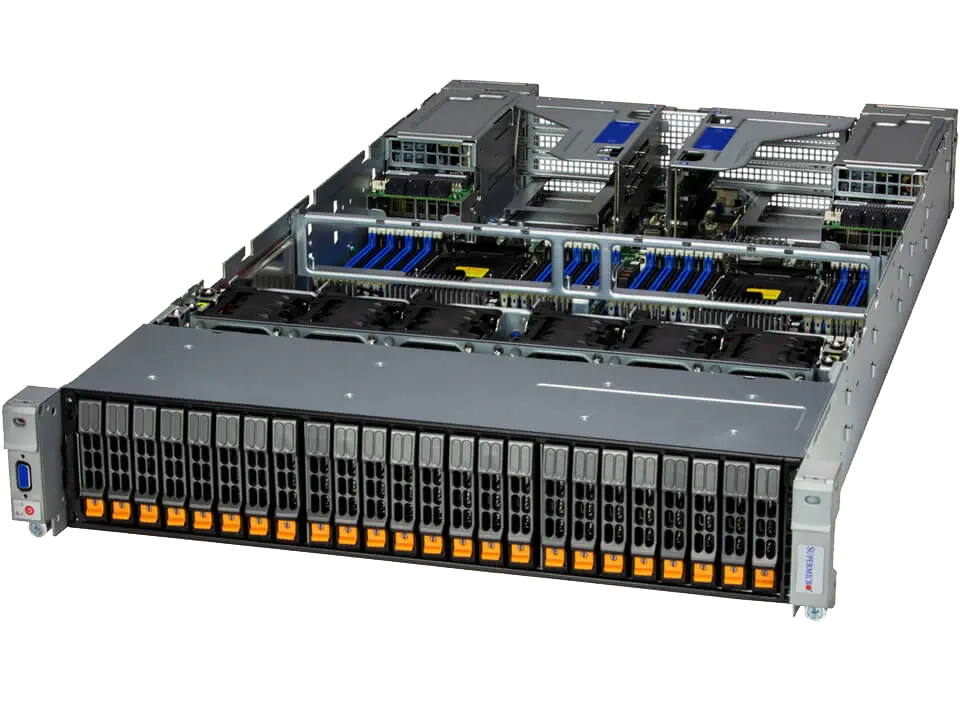 | SYS-241E-TNRTTP -In-Memory Database -4th Gen Intel® Xeon® Scalable processors | 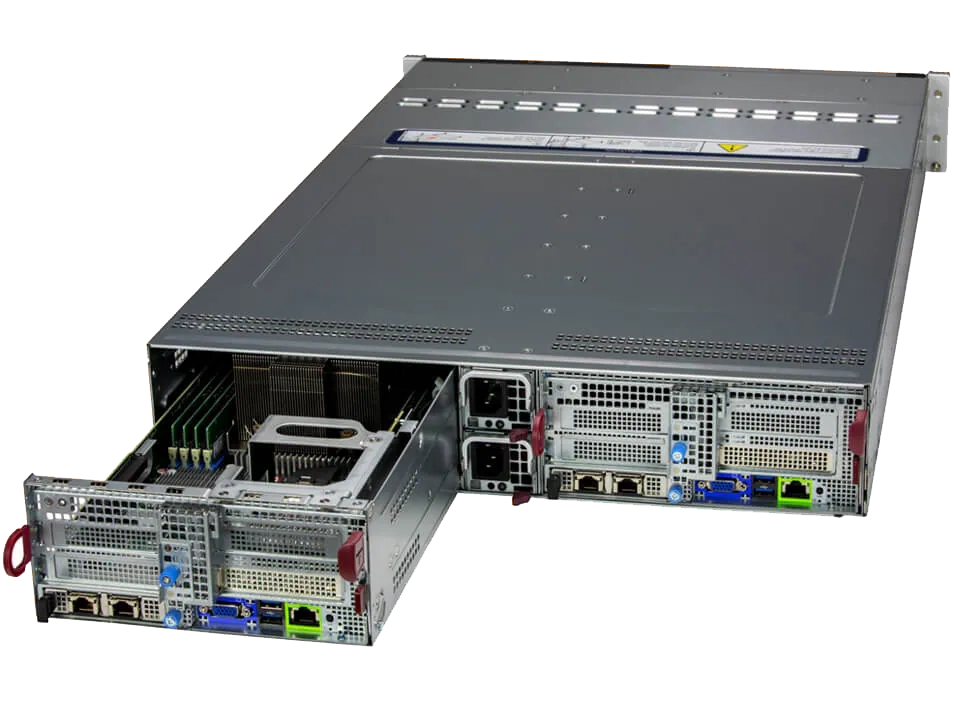 | SYS-221BT-DNTR – High-Performance File System -5th Gen Intel® Xeon® / 4th Gen Intel® Xeon® Scalable processors |
 | SYS-221BT-HNTR -Container-as-a-Service; Application Accelerator -5th Gen Intel® Xeon® / 4th Gen Intel® Xeon® Scalable | 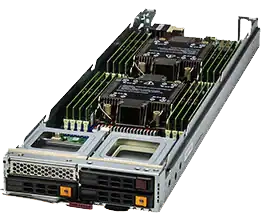 | SBI-421E-1T3N -Enterprise data center, High-performance Computing (HPC) -5th Gen Intel® Xeon® / 4th Gen Intel® Xeon® Scalable processors |
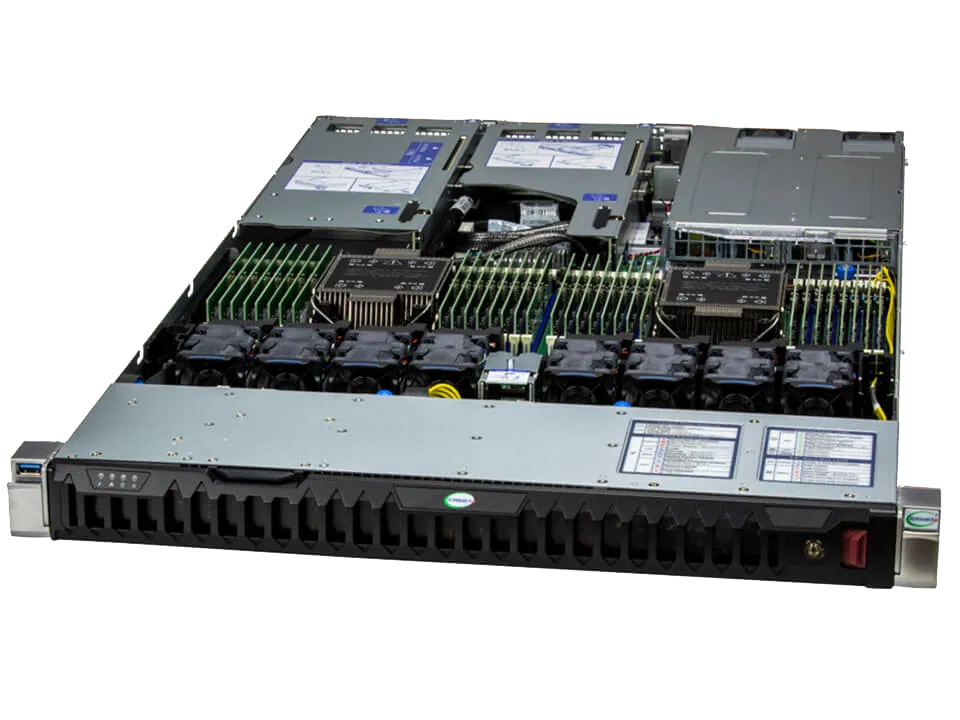 | SYS-121H-TNR -Virtualization, Cloud Computing -5th Gen Intel® Xeon® / 4th Gen Intel® Xeon® Scalable processors |  | SYS-221H-TNR – AI Inference and Machine Learning -5th Gen Intel® Xeon® / 4th Gen Intel® Xeon® Scalable processors |
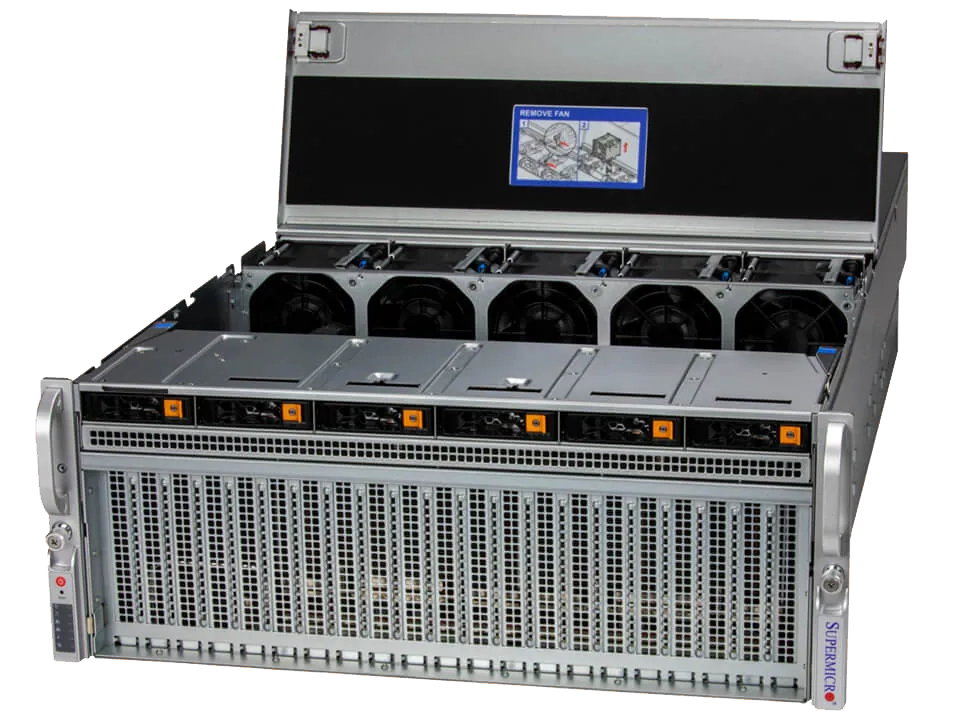 | SYS-421GU-TNXR -Natural Language Processing -5th Gen Intel® Xeon® / 4th Gen Intel® Xeon® Scalable processors | 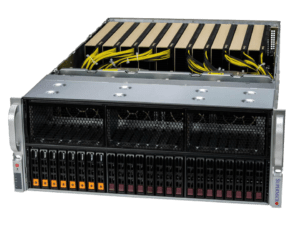 | SYS-421GE-TNRT -Media/Video Streaming, Animation and Modeling -5th Gen Intel® Xeon® / 4th Gen Intel® Xeon® Scalable processors |
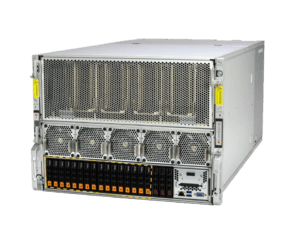 | SYS-821GE-TNHR -Business Intelligence & Analytics -5th Gen Intel® Xeon® / 4th Gen Intel® Xeon® Scalable processors | 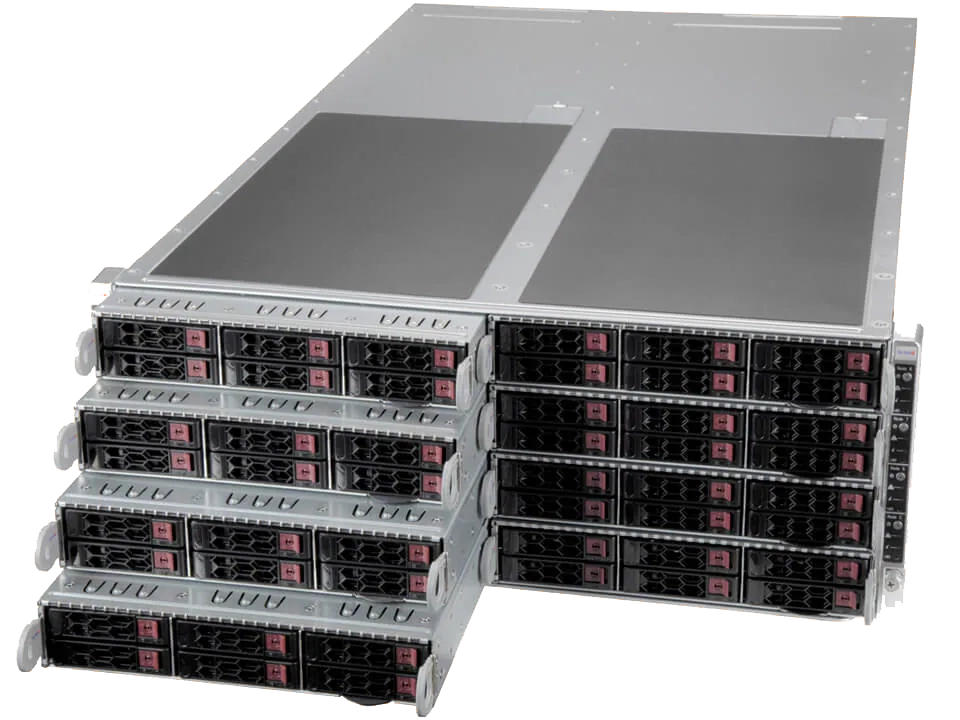 | SYS-F511E2-RT -Telco Data Center and Big Data -5th Gen Intel® Xeon® / 4th Gen Intel® Xeon® Scalable processors |
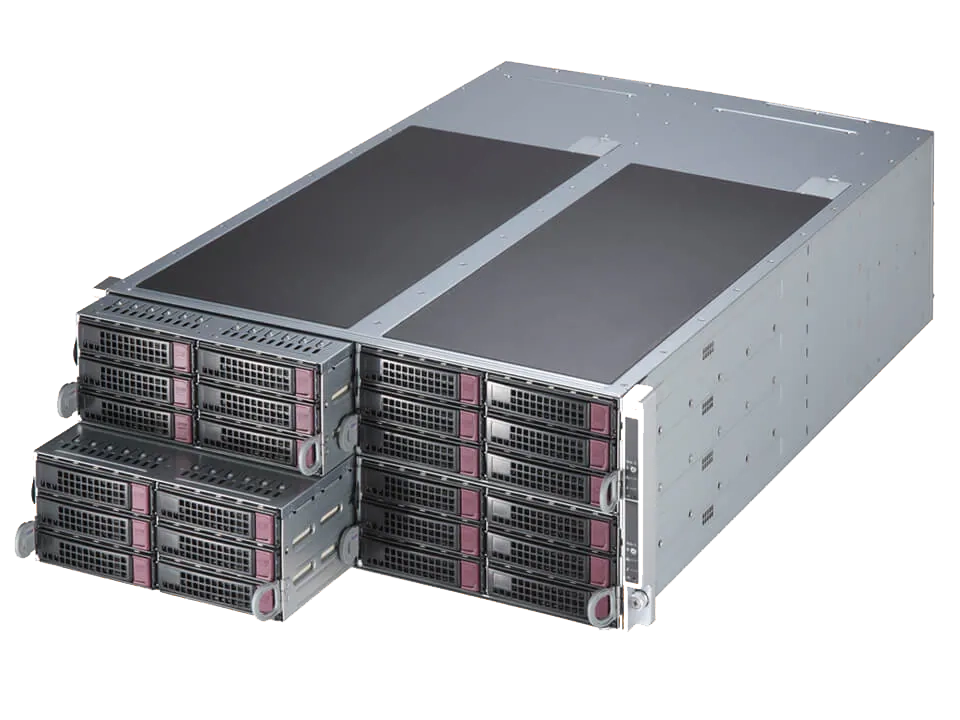 | SYS-F521E3-RTB -Hyperscale / Hyperconverged -5th Gen Intel® Xeon® / 4th Gen Intel® Xeon® Scalable processors | 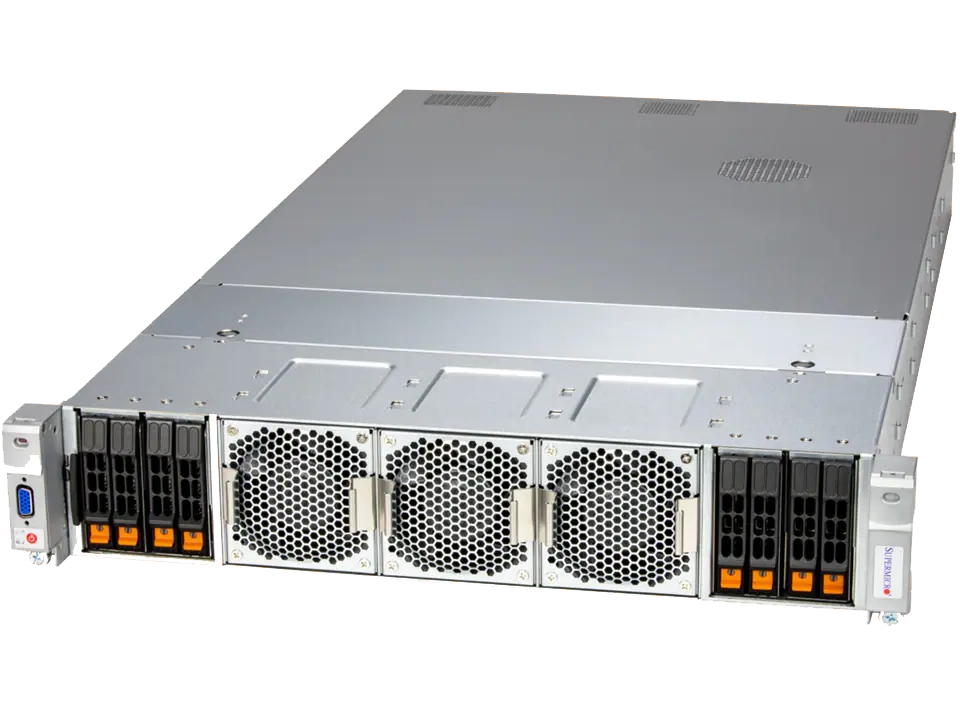 | AS-2145GH-TNMR -Large Language Model (LLM) -Quad Socket SH5 AMD Instinct™ MI300A Accelerated Processing Units (APUs) |
應用
 大數據分析 |
|
 雲端運算 |  企業資料中心 |